
Sustainability at BTGS
BTGS reinvests all surpluses into the shoot and its management. We work closely with HQ SPTA, DEFRA and Natural England to ensure full compliance with licensing and conservation requirements, and to align our operations with the unique demands of military training on the Plain.
We actively support biodiversity and sustainable gamekeeping - caring for chalk grasslands, hedgerows and marginsthat host rare and protected species. Responsible predator control, habitat improvements and careful day planning underpin everything we do.

Land Management
-
We actively care for the chalk grassland, hedgerows, and field margins that make this landscape special.
-
Habitat care: Our work goes beyond shoot days. We plan drives and access routes to minimise ground pressure, avoid sensitive areas, and protect soil and sward.
-
Hedgerows & margins: We support well-timed trimming and sympathetic management to provide cover, nesting habitat, and wildlife corridors.
-
Water & access discipline: We use established tracks, avoid poaching around gateways, and adapt days to weather and ground conditions to prevent damage.
-
Adaptive scheduling: Our programme flexes around military training timetables and seasonal considerations, ensuring low-impact use of the ground.
-
Reinvestment: All surpluses are reinvested into habitat, infrastructure, and responsible gamekeeping so that the ground is in better condition year on year.

Conservation
-
BTGS is committed to practical, measurable conservation outcomes that benefit a wide range of species - not only gamebirds.
-
Chalk grassland first: We plan with the Plain’s rare grassland flora and fauna in mind, giving sensitive areas space and time to thrive.
-
Wildlife-friendly practices: Sympathetic hedgerow management, careful verge/margin protection, and considered ride edges help pollinators, small mammals, and farmland birds.
-
Responsible gamekeeping: Predator control and day planning are carried out to recognised best practice standards, with safety and ecology front and centre.
-
Partnership approach: Liaison with land managers, ecologists, and the military estate ensures our activities align with conservation objectives and statutory requirements.
-
Education & culture: Safety briefings include habitat awareness; our members understand why how we shoot matters as much as what we shoot.
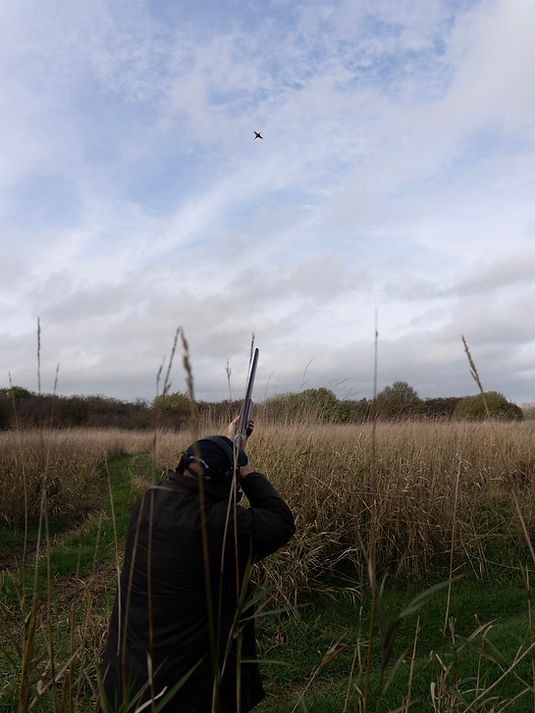
Food Source
Nothing from the shoot goes to waste. We believe game is a sustainable, high-welfare, and nutritious food source - and we treat it as such.
-
First stop: our people. Guns, beaters, and pickers-up are encouraged to take birds home, sharing in the bounty they’ve helped create.
-
Local distribution: Any surplus is offered to the local community as a free and wholesome source of protein.
-
Respectful handling: From the moment a bird is retrieved, we prioritise careful storage so that meat quality is preserved.
-
Learn to cook game: New to cooking pheasant, partridge, or duck? Explore ideas, tips, and step-by-step dishes on our recipe page!
